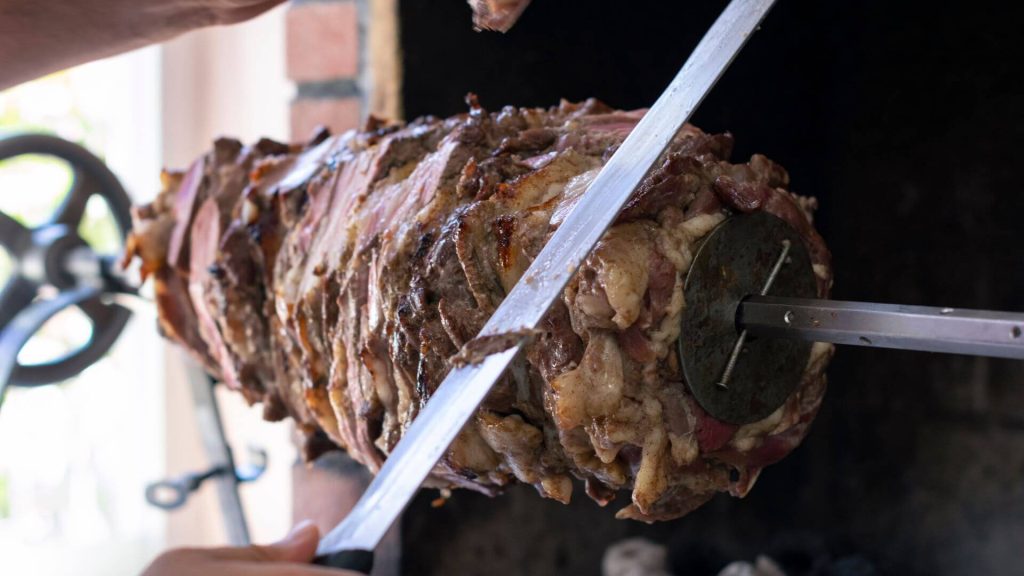


Whether you’re a backyard BBQ lover or a professional grill manufacturer, choosing the right rotisserie motor is critical for performance, safety, and long-term reliability.
As a BBQ rotisserie motor manufacturer, we work with home users, distributors, grill brands, and OEM buyers worldwide. In this complete guide, we’ll explain how to choose the right BBQ rotisserie motor, what specifications really matter, and how different use cases require different motor solutions.
What Is a BBQ Rotisserie Motor?
A BBQ rotisserie motor is an electric motor designed to rotate a spit rod slowly and evenly over a grill or open flame.
Its purpose is to ensure:
• Even heat distribution
• Juicy, well-cooked meat
• Hands-free grilling
Common applications include:
• Whole chicken rotisserie
• Lamb legs
• Roast beef
• Shawarma / kebab systems
• Commercial chicken rotisseries
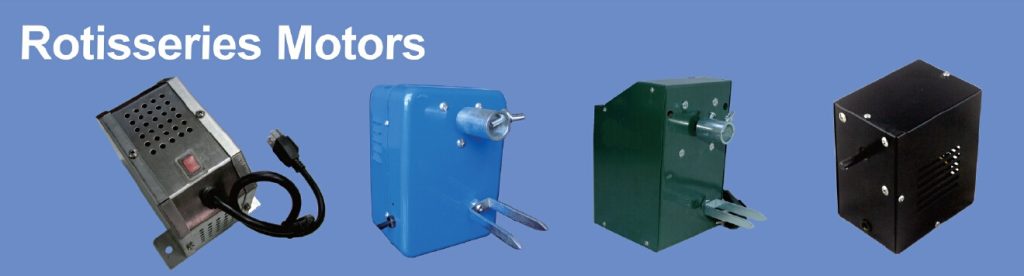
Why Choosing the Right Motor Matters?
There are generally two reasons why grilling might fail: the grill motor and the grill rack. In most cases, the problem lies with the motor.
A poorly chosen rotisserie motor can lead to:
• Uneven cooking
• Motor overheating
• Gear damage
• Short lifespan
• Safety risks (stalling or falling meat)
For B2B buyers, the wrong motor means: higher return rates, brand reputation damage, warranty costs,
For C-end users, it means: ruined BBQ experience.
Key Factors in Choosing a Barbecue Grill Motor
Whether you are a wholesaler or an individual buyer, before making a purchase, please be sure to evaluate the following 7 core parameters to ensure long-term usability:
| Key Factor | What It Means | Why It Matters | Recommended Choice |
|---|---|---|---|
| Load Capacity | Maximum weight the motor can rotate continuously | Prevents stalling, overheating, and gear damage | Rated load ≥ 1.3× actual food weight |
| Rotation Speed (RPM) | Number of rotations per minute | Ensures even cooking and proper self-basting | 3–4 RPM for most BBQ applications |
| Power Type | AC, DC, or battery-powered motor | Affects torque stability, durability, and usage scenario | AC motor for home & commercial use |
| Voltage / Frequency | Electrical standard of target market | Incorrect voltage may cause motor failure or safety risks | 110–120V or 220–240V, 50/60Hz |
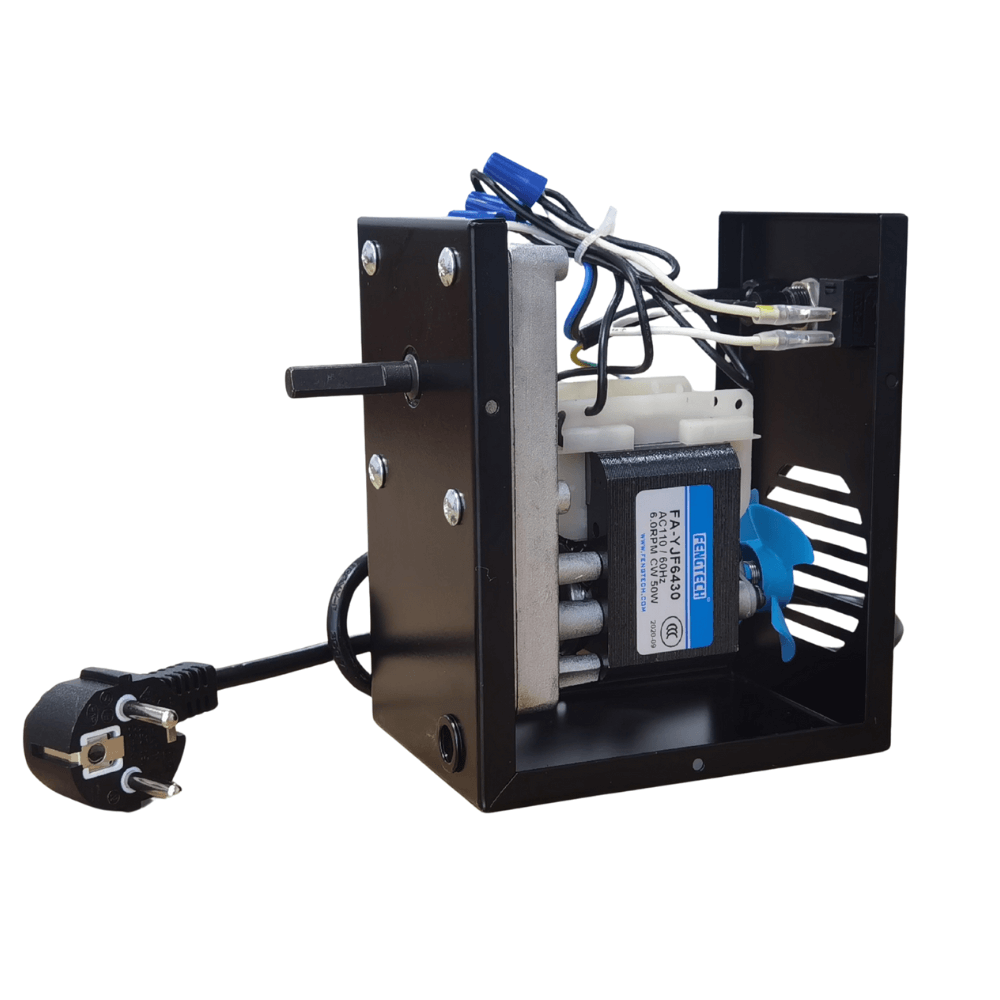
| Output Shaft Type | Shape of the motor shaft connecting to the spit rod | Ensures compatibility and prevents slippage | Square shaft or custom OEM design |
| Mounting Method | How the motor is fixed to the grill or frame | Improper mounting causes vibration and instability | Standard bracket or custom mounting plate |
| Durability & Safety | Heat, grease, and overload resistance | Extends service life and ensures safe operation | Heat-resistant housing & overload protection |
To help you choose a more suitable motor, we will provide practical usage experiences and suggestions based on 7 factors.
Load Capacity: How Much Weight Do You Really Need?
Recommended Rule:
Actual food weight ≤ 70–80% of rated motor load
Example:
20 kg rated motor → best for 14–16 kg continuous load
* The calculation results are for reference only; the actual calculation should be based on the specific circumstances.
BBQ Rotisserie Motor Load Calculator
* Result shows recommended continuous load under balanced conditions.
RPM Speed: Slow Rotation Is Better
Most BBQ rotisserie motors operate between 2–6 RPM.
RPM Range Best Use:
2–3 RPM – Large meat, commercial use
3–4 RPM – Home BBQ (most popular)
5–6 RPM – Light food, fast grilling
✅ Recommended: 3–4 RPM
Power Type: AC vs DC vs Battery Motors
| Power Type | Main Advantages | Limitations | Typical Applications | Manufacturer Recommendation |
|---|---|---|---|---|
| AC Motor | Strong torque, stable rotation, long service life | Requires power outlet, not portable | Home BBQ grills, commercial rotisseries, OEM grill systems | Best choice for continuous operation and heavy loads |
| DC Motor | Portable, adjustable speed, low voltage safety | Lower torque, limited continuous runtime | Camping grills, portable BBQ equipment | Suitable for light-duty and portable use |
| Battery Motor | No external power required, highly portable | Limited torque, frequent battery replacement | Outdoor trips, temporary BBQ setups | Not recommended for heavy or long-term use |
💡 Manufacturer insight:
For OEM grill brands and distributors, AC shaded pole motors are the most reliable and cost-effective choice.
Outdoor Durability & Safety
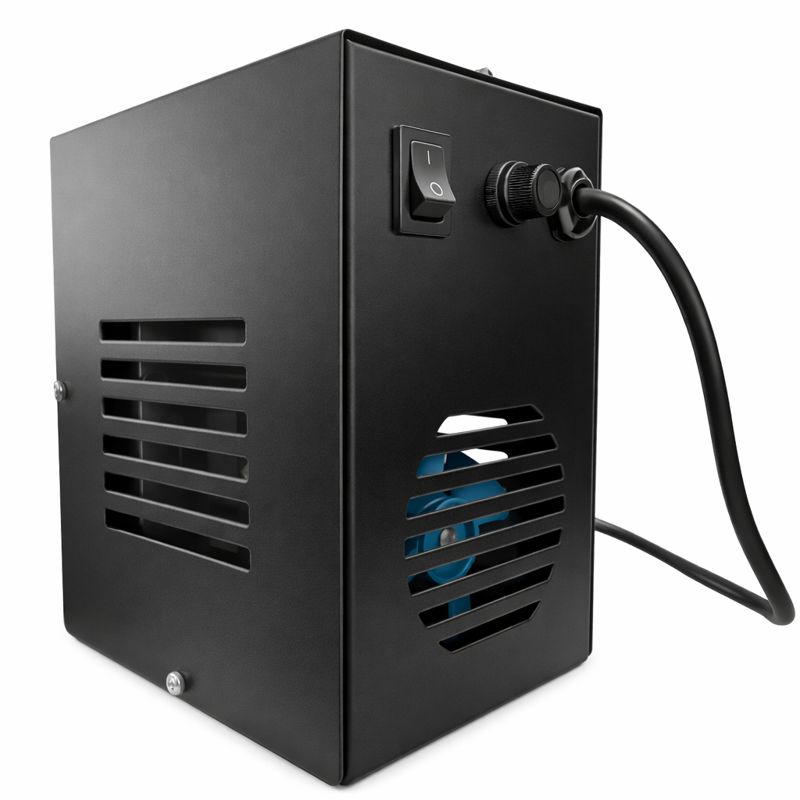
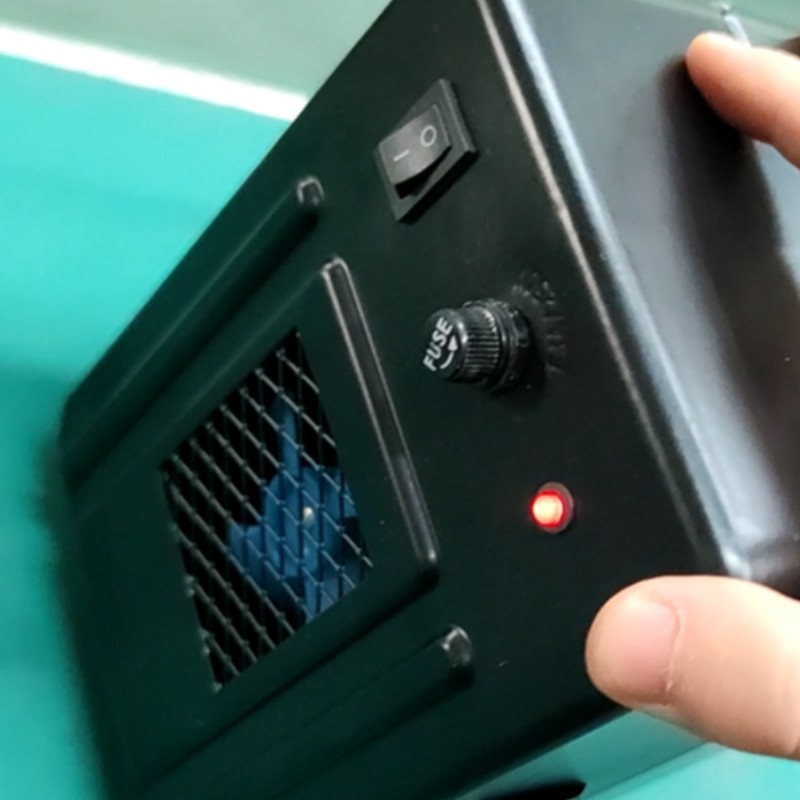
A high-quality BBQ motor should feature: heat-resistant housing,grease-proof sealing,overload protection,stable mounting bracket.
For commercial or export markets, compliance with: CE / RoHS/ UL.
Final Recommendation
Choosing the right BBQ rotisserie motor is about matching real usage needs, not just specifications on paper.
For most users, a 3–4 RPM, 15–20 kg AC rotisserie motor is the safest and most versatile choice.
If you’re sourcing for bulk orders or custom projects, always consult a professional motor manufacturer before finalizing your design.